
The Difference between “Driving While Impaired” and “Driving Under the Influence”
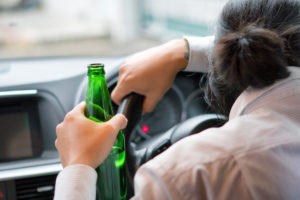 The terms DWI and DUI often are used interchangeably, but in Maryland, they actually are two different offenses:
- DWI, or driving while impaired—In Maryland, driving while impaired is considered a less serious offense than driving under the influence. You can be charged with DWI if your blood alcohol concentration (BAC) is between .07 and .08. Often, a person charged with DWI will pass the BAC test but exhibit physical indications of impairment, such as slurred speech or erratic driving.
The penalties for DWI include up to 60 days of incarceration and a $500 fine for the first offense. Subsequent convictions can lead to up to a year in jail and additional fines. A DWI conviction also results in an 8-point penalty on your driving record, which will cause your license to be suspended. - DUI, or driving under the influence—You can be charged with a DUI only if your BAC exceeds .08. A first-time conviction for DUI can result in a year in jail and a $1,000 fine. Your second and third convictions can each lead to another 12 months of incarceration and an additional $1,000 fine. DUI adds 12 points to your driving record, leading to revocation of your license for a period of time.
Experienced Baltimore DWI/DUI Defense Lawyer
Attorney Jonathan Scott Smith has provided strong and effective representation to people in Baltimore and throughout Maryland for more than 35 years, including individuals charged with DWI or DUI. Named a Top-Rated Lawyer by The American Lawyer magazine, he is also respected by his peers in the legal profession, who have consistently given him an AV-rating, the highest rating possible. He has been the recipient of AVVO’s prestigious Client’s Choice Award, with an average of 5 stars(the highest rating possible) in client reviews. A longtime Maryland SuperLawyer, he also has a perfect 10.0 (Superb) rating as a litigator from AVVO.
Attorney Smith aggressively advocates for men and women facing criminal prosecution, zealously representing clients throughout the legal process, from investigation, arrest, and arraignment to trial. He’ll conduct a thorough investigation of your case, ensuring that law enforcement officers legally obtained all evidence and made you aware of your constitutional rights. A proven trial attorney, Smith
knows how to make the most persuasive arguments in your defense before a judge and jury.
Ellicott City Criminal Defense Lawyer
Contact experienced Maryland criminal defense attorney Jonathan Scott Smith by email or call 410-740-0101 to set up an appointment. We handle drug possession prosecutions in Howard County, Baltimore County, Carroll County, Frederick County, Prince George’s County, and Montgomery County in Maryland.
 Because the term “assault and battery” is heard so commonly, there can be a perception that it’s a single crime. In fact, assault and battery are separate offenses, and you can potentially be charged with both for a single incident.
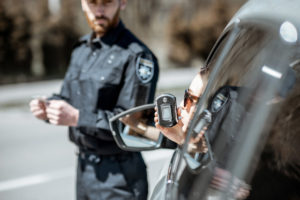 In Maryland, when a police officer pulls you over, regardless of the reason, the officer may ask if you have been
 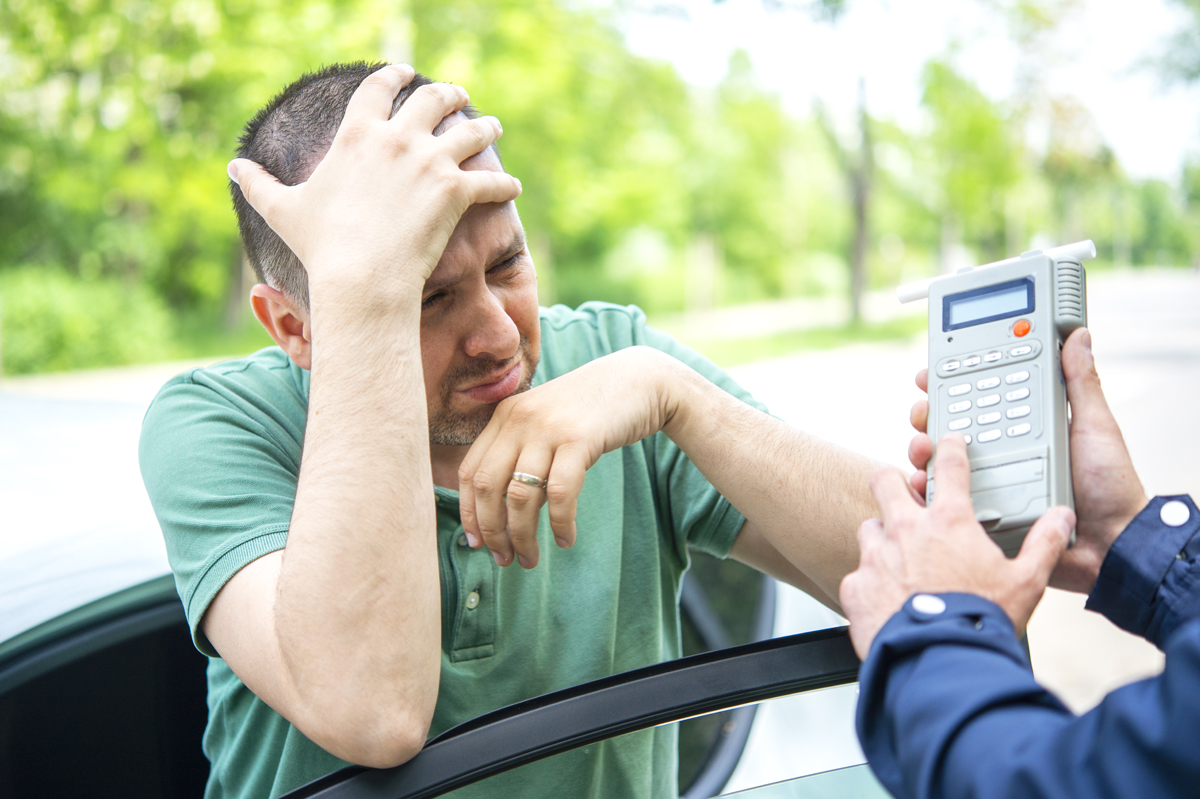 When police pull you over and suspect you’re driving under the influence or while impaired, it’s common for them to administer a breath test and use the results in a criminal prosecution. However, a 2019 study by the New York Times found that those tests, long considered an essential tool in
 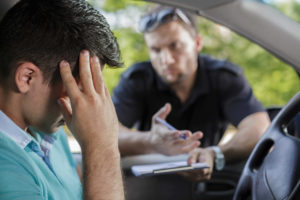 The Maryland Department of Motor Vehicle Administration (MVA) has the legal authority to temporarily suspend your driving privileges for a number of reasons:
 Under the criminal statutes in Maryland, it is against the law to emotionally or physically abuse minors. The covered forms of abuse include improper sexual conduct. Furthermore, certain professionals and third parties, such as social workers and medical personnel, are required by law to report actual knowledge or even reasonable suspicion of child abuse.
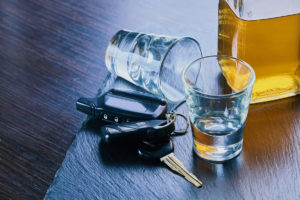 In the state of Maryland, unlike many states, there’s a legal distinction between DUI,or driving under the influence, and DWI—driving while intoxicated. Conviction on charges of driving under the influence of alcohol requires evidence of a blood alcohol content (BAC) of .08% or higher. To be charged and convicted of the lesser offense of driving while intoxicated, there’s no requirement of a specific BAC—prosecutors must show only that you were impaired by alcohol and that it affected your ability to drive. It’s also important to understand that you need not be operating a motor vehicle on the road to be charged with DWI; you need only be in “actual physical control” of the vehicle while the car’s engine is running.
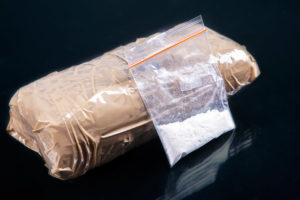 In Maryland, as in all states, the possession of certain controlled substances is a violation of the law. That includes not only “street drugs,” such as marijuana, meth, cocaine, and heroin, but also prescription medication. Maryland has decriminalized possession of small amounts of marijuana, treating the offense like a moving violation. Accordingly, marijuana is no longer classified as a controlled dangerous substance under Maryland law.
 Under Maryland law, certain criminal acts can be prosecuted as domestic violence when committed against a household or family member. Those crimes which can qualify as domestic violence include:
 When you’re stopped by a law enforcement officer, it’s fairly common for them to ask if you’ve consumed any